

 Back to Blog
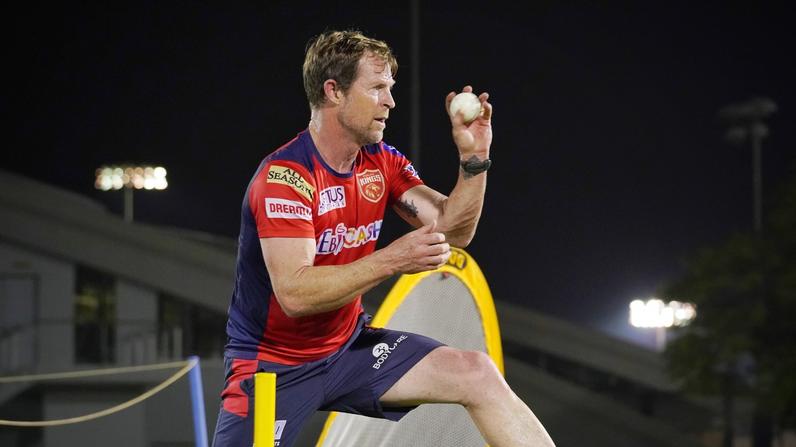
In Test matches, fielders are positioned close to the batter, such as slips, silly point, or short leg, to create wicket-taking pressure. In contrast, ODIs and T20s demand more spread-out fields with positions like deep square leg, long-off, and third man to limit runs and cover boundaries quickly.
Field settings constantly adapt based on the game format, bowler type, and batter’s strengths.
This article takes a closer look at the main fielding positions and how they differ across formats in modern cricket.
What Are the Fielding Positions in Cricket?
Fielding positions in cricket refer to the specific spots where players are placed on the field to stop runs or take catches. These positions are named based on their direction and distance from the batter.
Cricket Fielding Positions – Overview
Cricket fielding positions are a crucial part of the game’s strategy, designed to support the bowler and restrict the batter’s scoring opportunities.
The field is generally divided into two halves: the offside and leg-side. Positions can be close to the batter, like slip or silly point, or further away, like long-on or deep midwicket.
Depending on the format—Test, ODI, or T20—field placements shift to focus more on wicket-taking or run-saving. The captain and bowler work together to set the most effective field.
Knowing these positions gives fans and players a deeper understanding of how teams plan and react during a match.